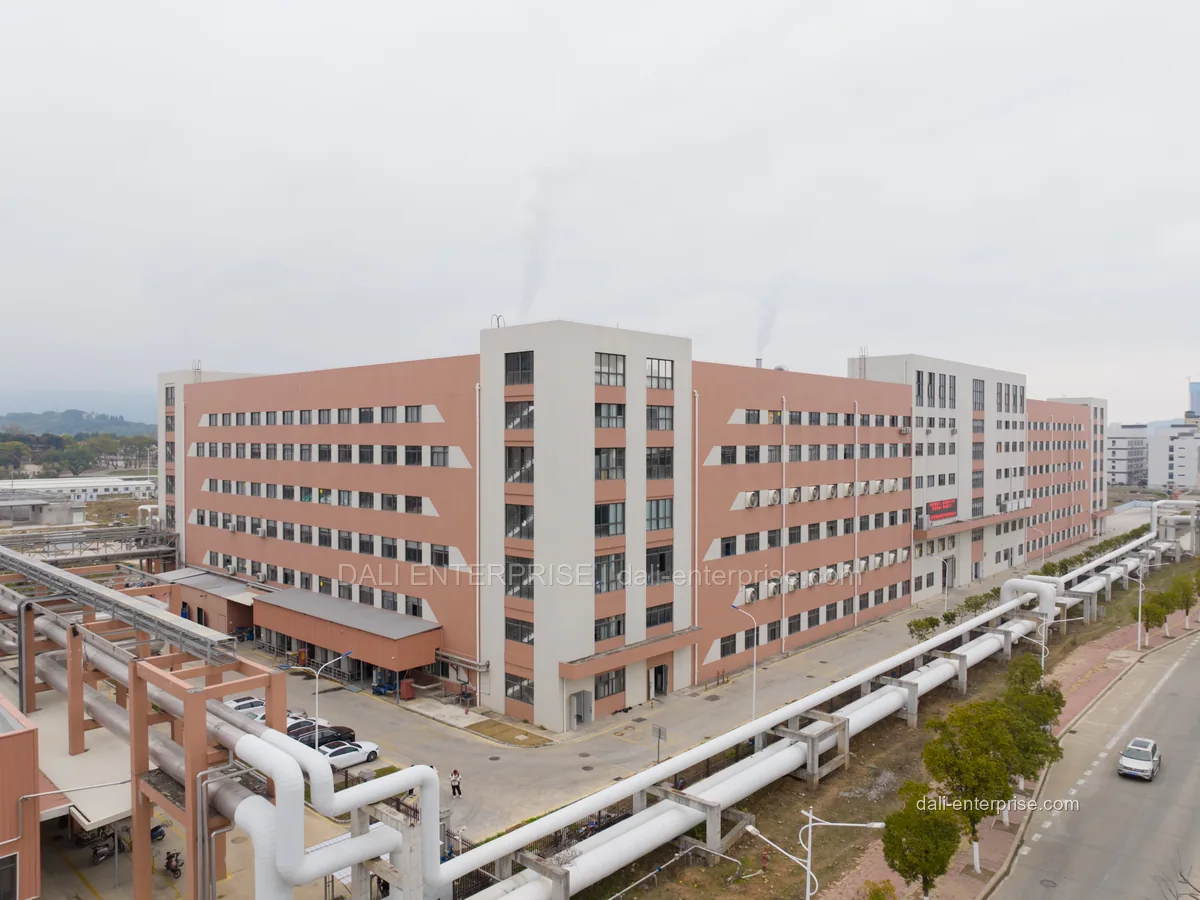
Jinjiang headquarters
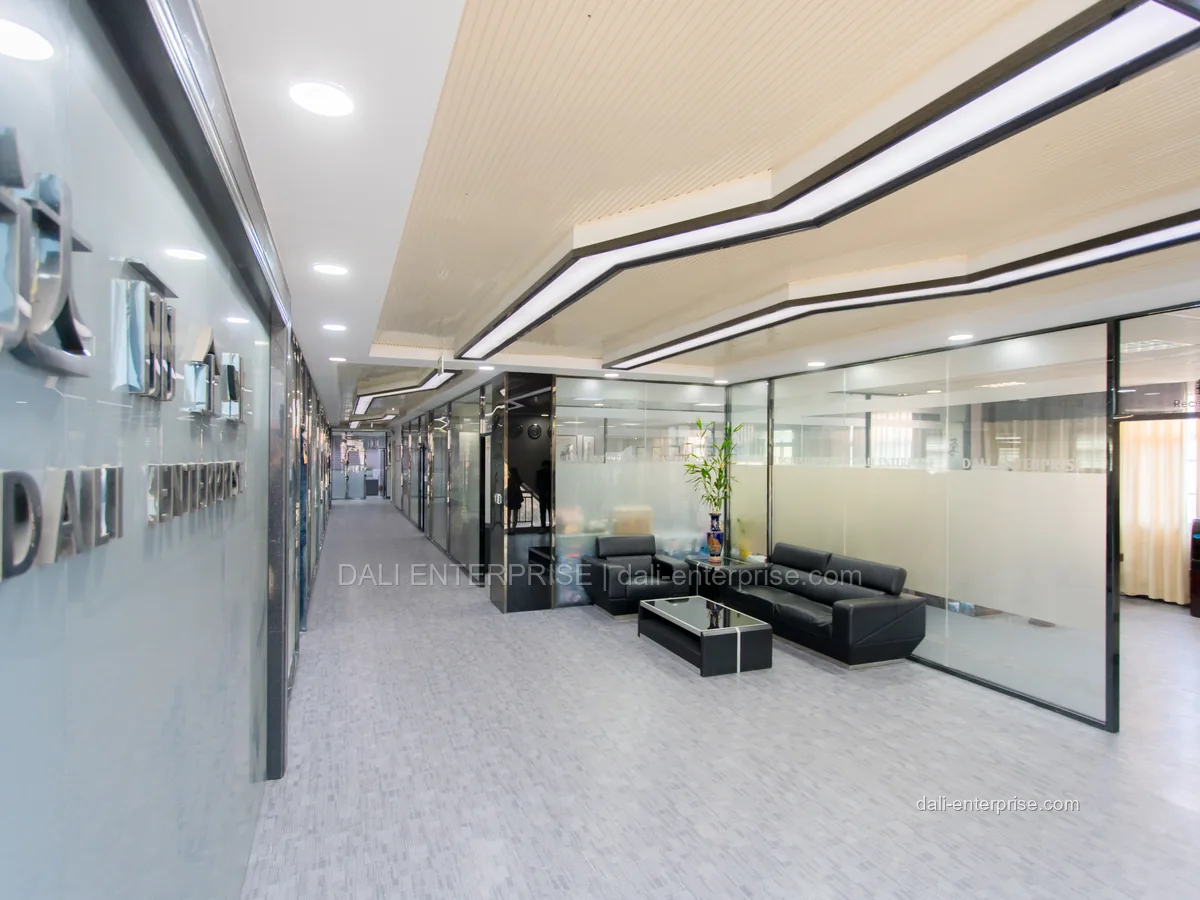
Design, research and development, product development and international trade coordinate the commercial brief with manufacturing teams.
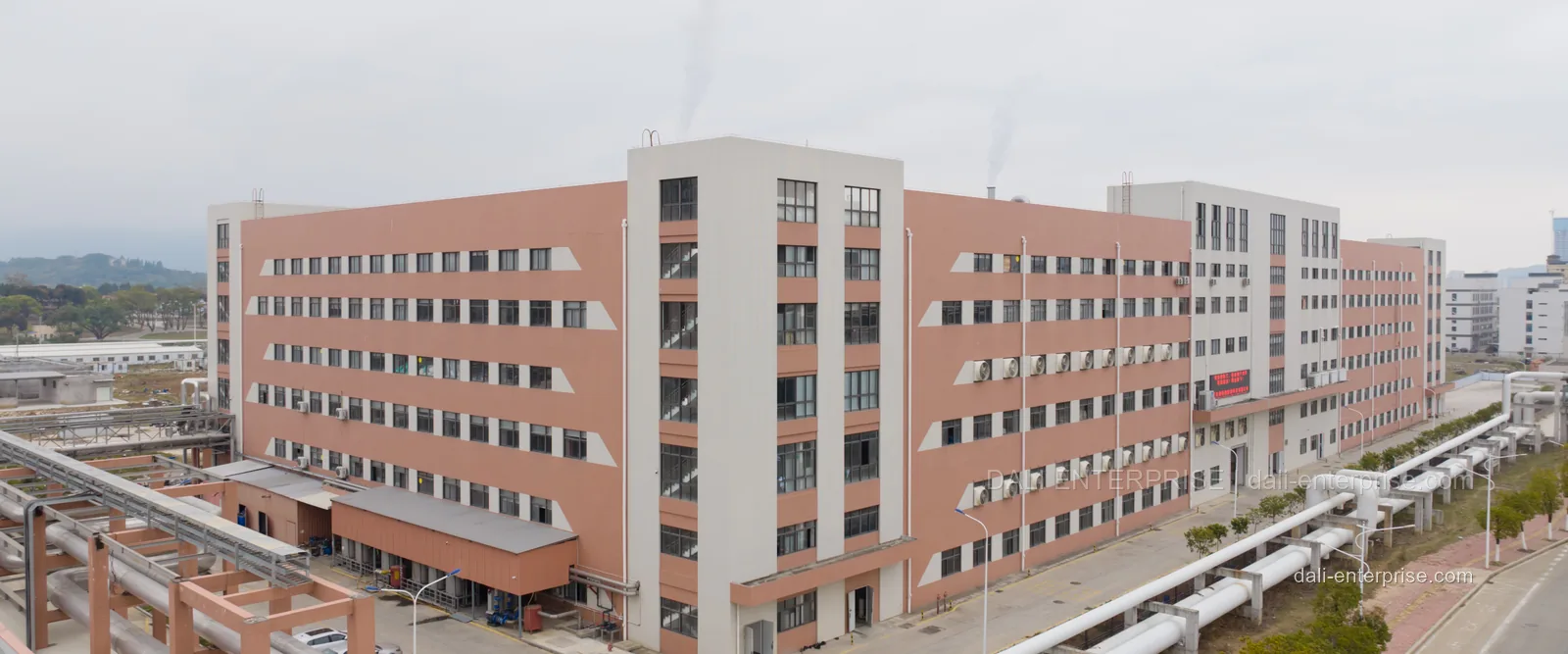
DALI's strength lies in the connection between materials and finished products. Our network includes fabrics, dyeing and finishing, elastic components, garment plants and sock factories, supported by development, quality and international trade teams.
Group figures across China and Cambodia. Capacity is distinct from actual output.
OUR DEVELOPMENT
Each stage added to DALI's ability to bring materials, product development and manufacturing together. The next stage is a new production campus in Cambodia.
DALI started in Jinjiang, Fujian, establishing the garment manufacturing foundation that continues to support the group today.
Expansion in China brought fabric, dyeing, elastics and garment operations into the business. More stages of the manufacturing chain could be coordinated within the group.
OEM and private-label programmes grew alongside international business. Development work increasingly connected material choices, approved samples and the demands of bulk supply.
The Cambodia operation established a second production base. Garment and sock manufacturing in the Phnom Penh Special Economic Zone now complements the China network.
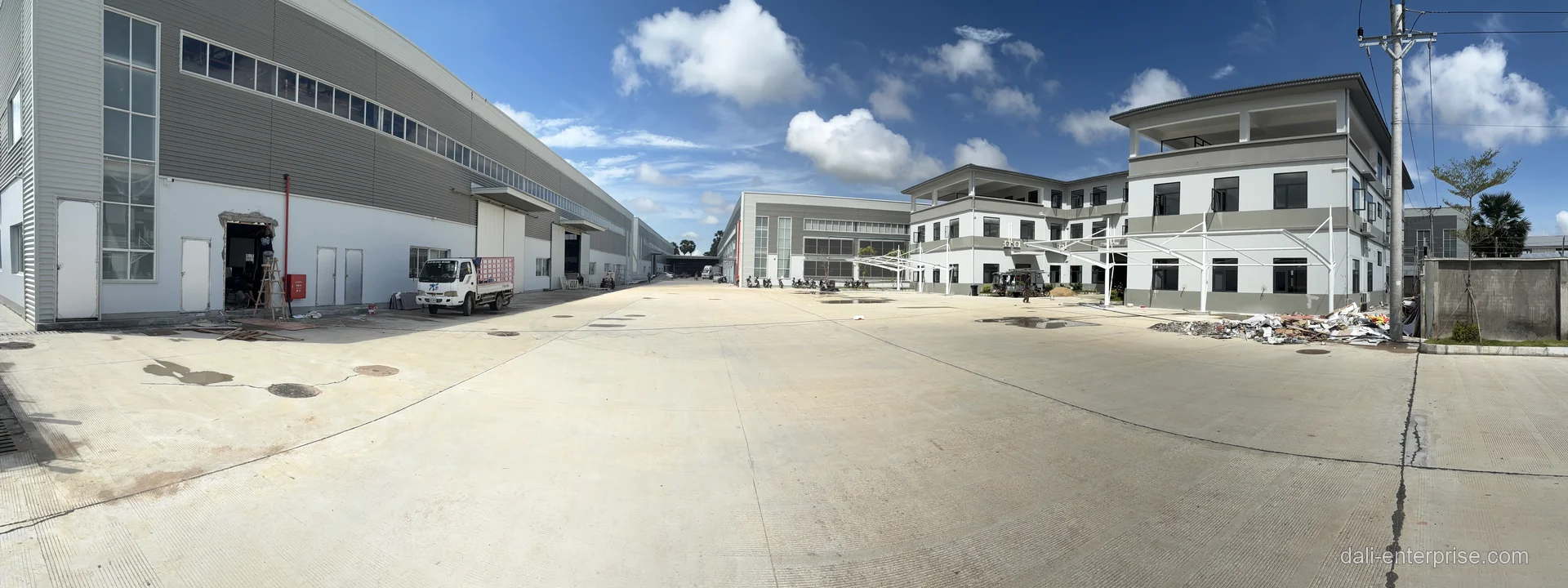
Trial production starts at the separate Phnom Penh SEZ campus while construction and supporting-facility work continue.
The development plan targets full operation in the first quarter of 2027. Planned equipment and capacity are presented separately from the established factory network.
CHINA + CAMBODIA
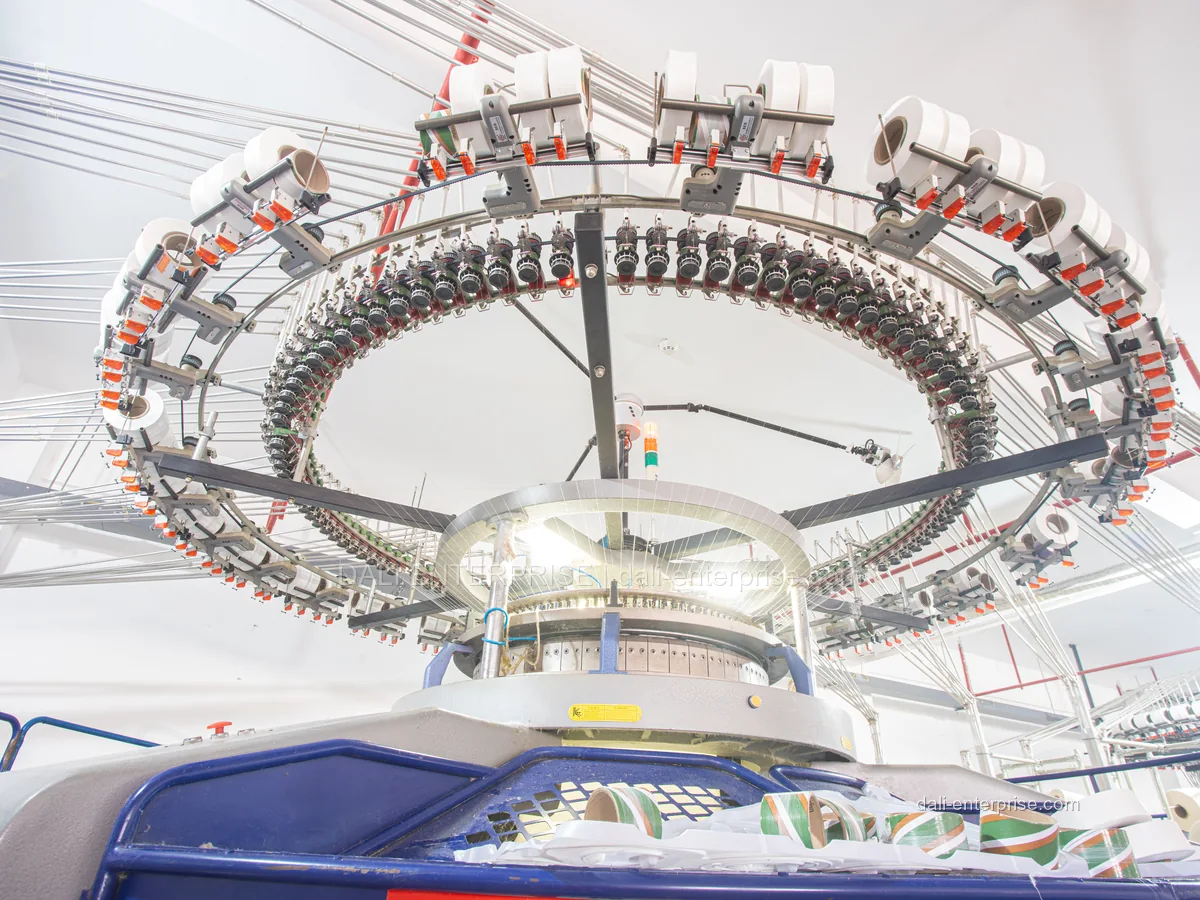
Fabric knitting, dyeing, finishing and elastics support the group’s garment and sock operations.
Develop the material and finished-product requirements together; confirm the proposed factory for the order.
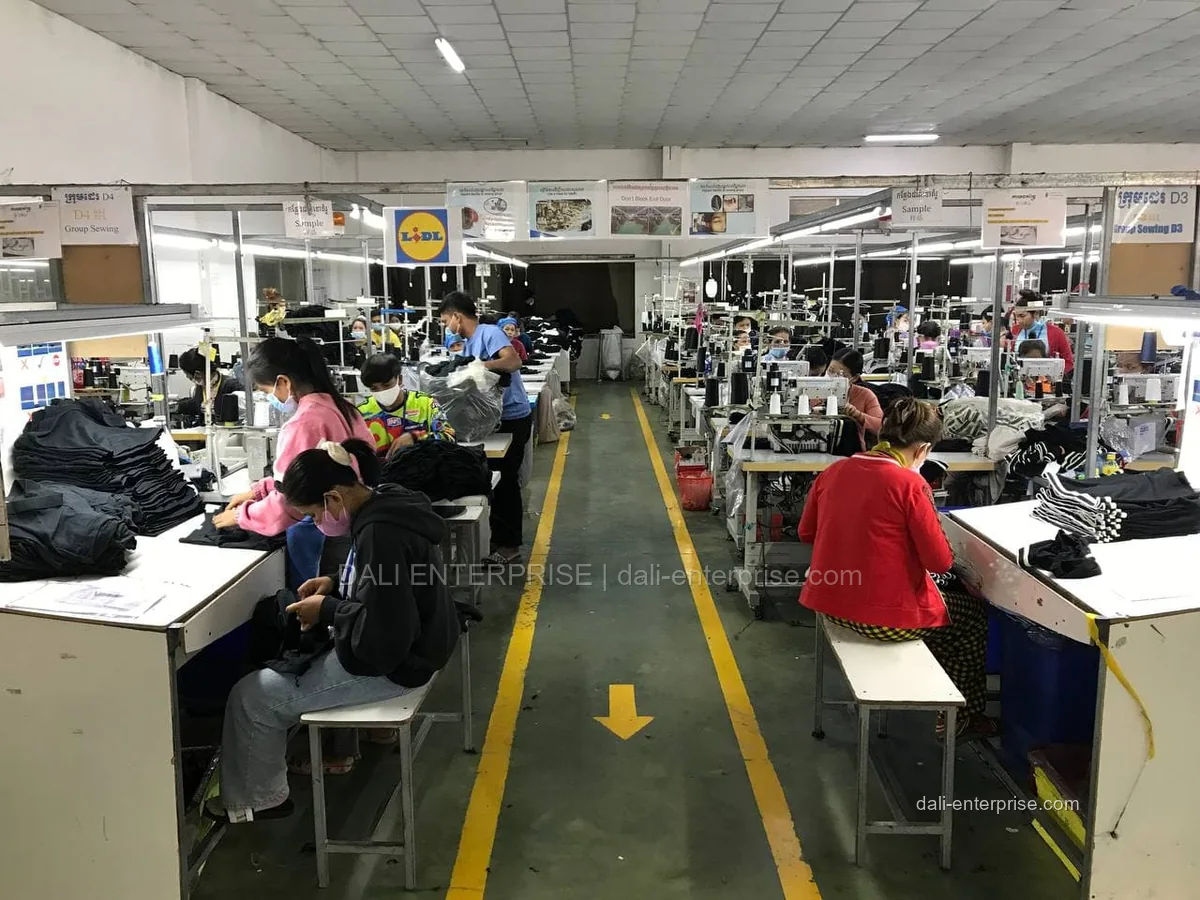
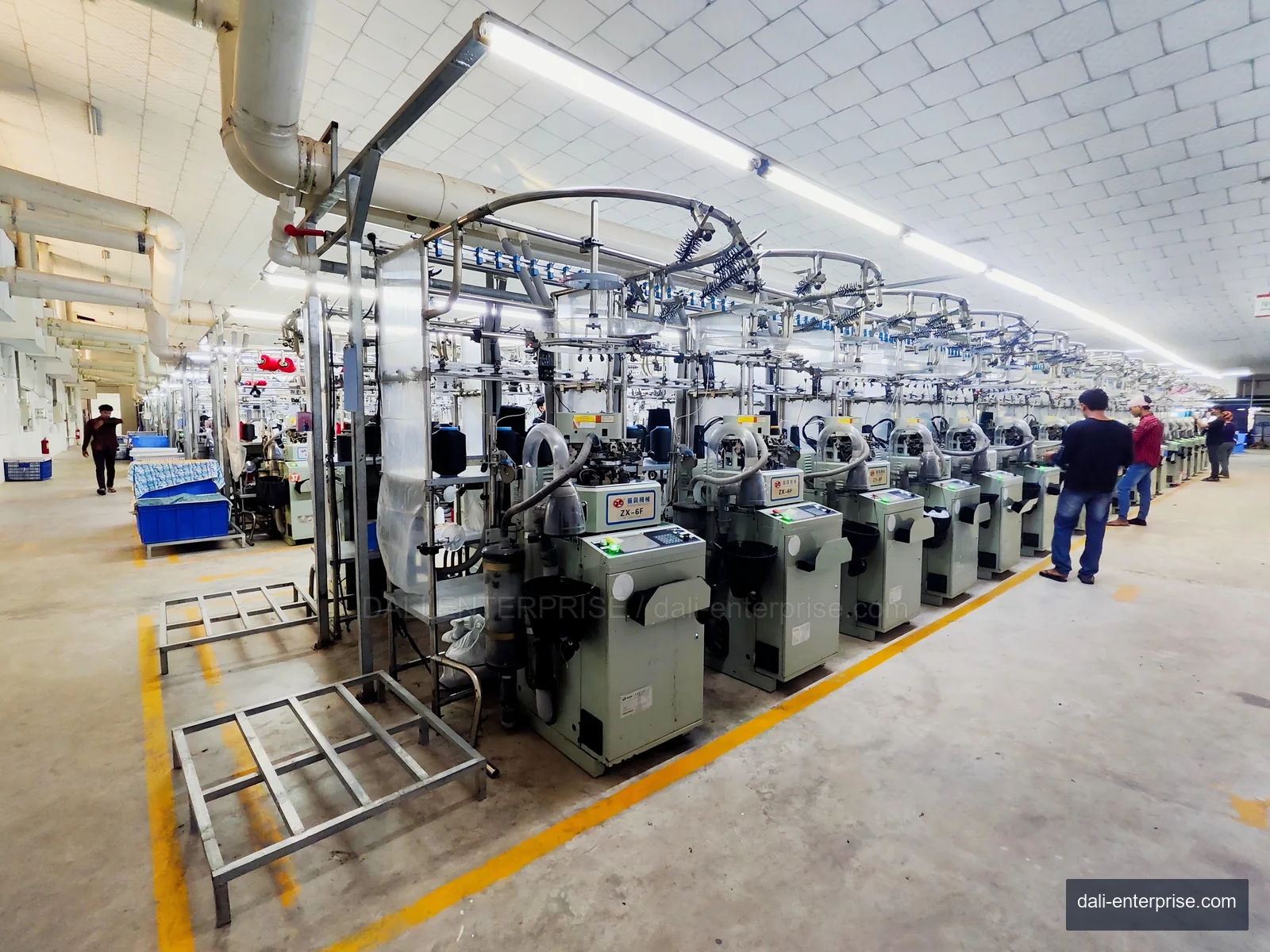
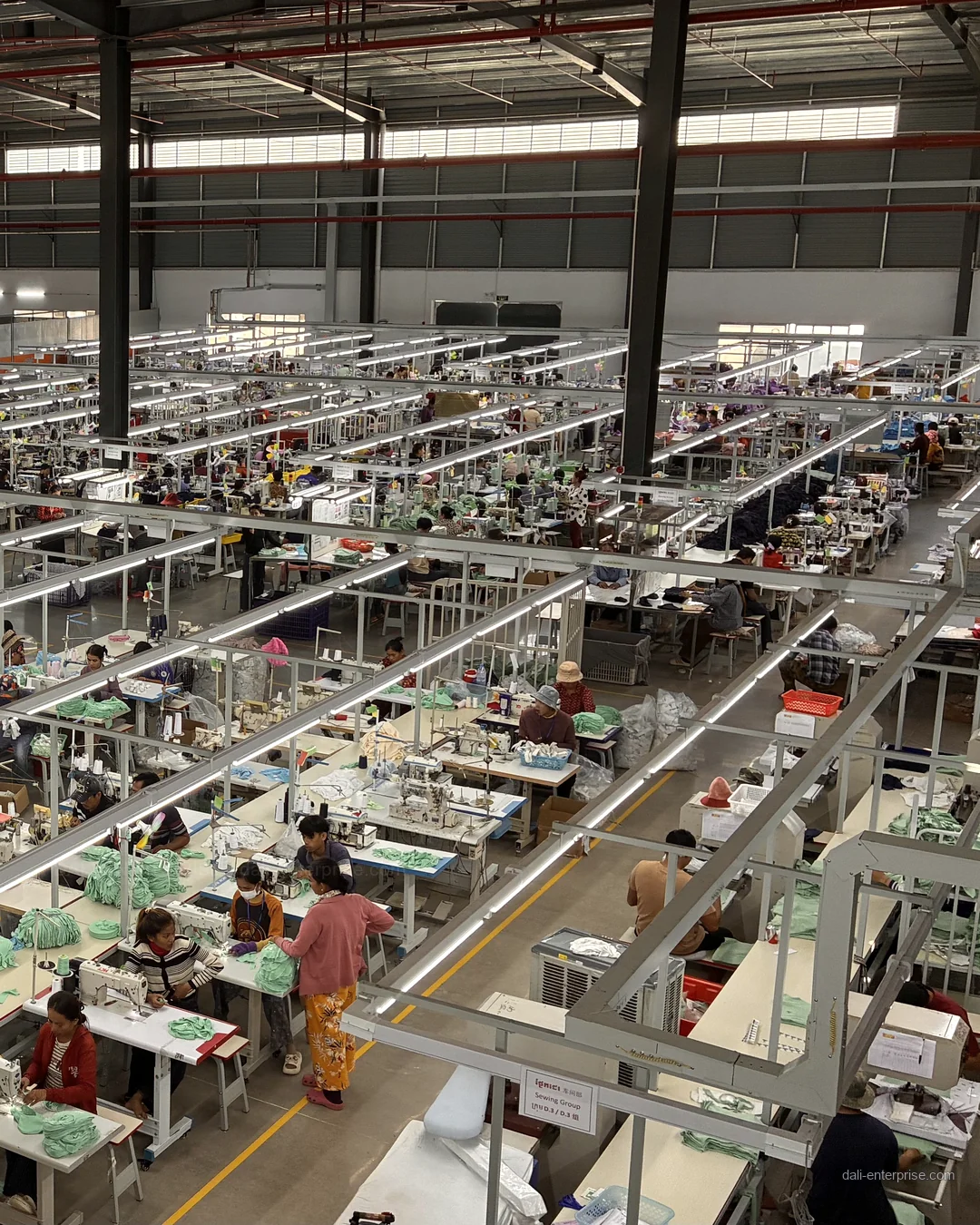
Factories I and II manufacture garments; Factory III is the established sock facility.
Review product allocation and the applicable factory, audit and material documents for the programme.
A separate Phnom Penh SEZ development, now in trial production while construction and supporting work continue. It is not yet fully operational.
Q1 2027 is the full-operation target. Equipment and capacity targets remain separate from established factory figures.
Design, research and development, product development and international trade coordinate the commercial brief with manufacturing teams.
Fabric knitting, dyeing and finishing operations in Fujian connect textile development with garment requirements.
Elastic production in Jinjiang and garment facilities in Fujian support waistband, trim, fit and construction requirements.
Sock operations in Jiangsu extend the network from apparel to knitted hosiery and retail assortments.
Three established facilities cover garment and sock manufacturing in the Phnom Penh Special Economic Zone. The figures below describe capacity, rather than recorded monthly output.
Across these facilities: 80 garment lines and 700 sock machines; monthly capacity of 15 million garments and 3 million pairs of socks. Pieces and pairs remain separate units.
Annual group references and monthly facility capacities are presented separately. They describe capacity, not actual output or a commitment of available production slots. Garments are counted in pieces; socks in pairs. New-campus targets remain separate from the established factories.
Manufacturing information · October 2026
CAMBODIA / FACILITY DEVELOPMENT
Assess the production base first, then the status of the additional campus. Established operations and expansion targets are presented separately.
| Facility provision | Scope / quantity | Status |
|---|---|---|
| Land and buildings | 36,000 m² site30,000 m² building area | Site specifications |
| Production equipment | 30 garment lines1,000 sock machines | Planned equipment |
| Workforce | 2,000+ employees | Planned staffing |
| Monthly capacity | 6 million garment pieces4 million pairs of socks | New-campus target |
| Energy and building safety | Solar generation and energy storageLABS · Q1 2027 | Development plan; LABS certification target |
DALI began in Jinjiang, Fujian, in 1986. Its manufacturing network spans China and Cambodia, connecting textile, elastic, garment and sock operations.
Read the company historyNo. China’s operations include textile knitting, dyeing, finishing, elastics, garments and socks; the established Cambodia network includes garment and sock factories. The proposed production site is agreed for each programme.
See factory roles and locationsNo. The campus is in trial production and construction continues. Q1 2027 is the target for full operation. Its planned equipment and monthly capacity are listed separately from the operating factories.
See the new-campus statusSTART A MANUFACTURING PROJECT
Tell us the product, expected volume and destination. Our team can discuss development and the manufacturing route with you.